
Computing
Teaching computing in primary school is no longer just about "learning how to use a computer." It’s about moving students from being passive consumers of technology to becoming active creators.
The curriculum is generally divided into three key pillars. Think of these as the "Head, Hand, and Heart" of the subject:
- Computer Science (The "Head"): Understanding how digital systems work and the principles of computation. This involves coding, algorithms, and logic.
- Information Technology (The "Hand"): The practical application of skills. This includes creating presentations, collecting data, using search engines, and manipulating digital media (photos/videos).
- Digital Literacy (The "Heart"): Learning how to navigate the online world safely and respectfully. This covers e-Safety, identifying "fake news," and understanding our digital footprint.
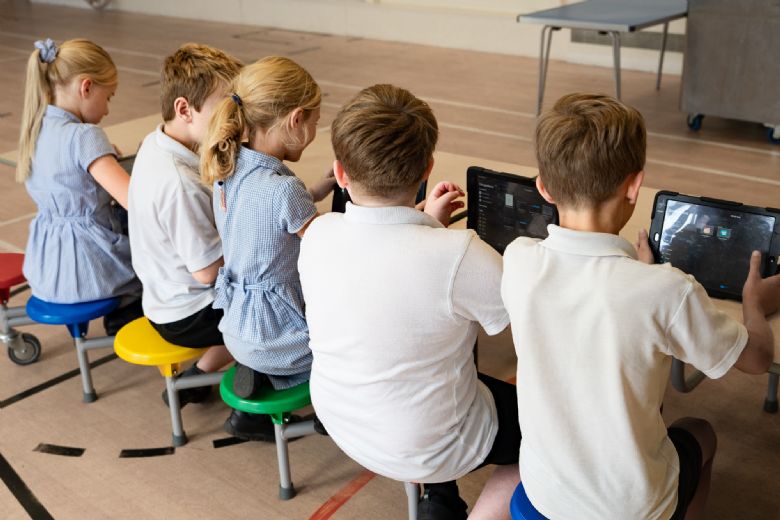
In Key Stage One it’s all about playing with logic and sequence. Students often start with "unplugged" activities—learning that an algorithm is just a set of instructions (like a recipe or a dance move).
- Key Skill: Programming floor robots (like Bee-Bots) to move in specific directions.
- Key Concept: Predicting what happens when a button is pressed.
In Key Stage 2 they build complexity, they move from physical buttons to block-based coding languages such as ‘Scratch’. They begin to solve more complex problems and think like engineers.
- Key Skill: Using "loops" and "if-then" statements to create games or animations.
- Key Concept: Debugging—the art of finding and fixing mistakes in their code without giving up.
Online safety is discuss with all pupils and is woven into everything we do. We teach children:
- How to keep personal information private.
- What to do if they see something that makes them feel uncomfortable.
- The importance of kindness in digital communication.
We aren't just training future software developers. Computing teaches computational thinking, which includes:
- Decomposition: Breaking big problems into smaller, manageable chunks.
- Pattern Recognition: Seeing how one solution might work for a different problem.
- Abstraction: Focusing on the important information while ignoring the fluff.
"Computing is a discipline that equips pupils to use computational thinking and creativity to understand and change the world."